

Our Trails
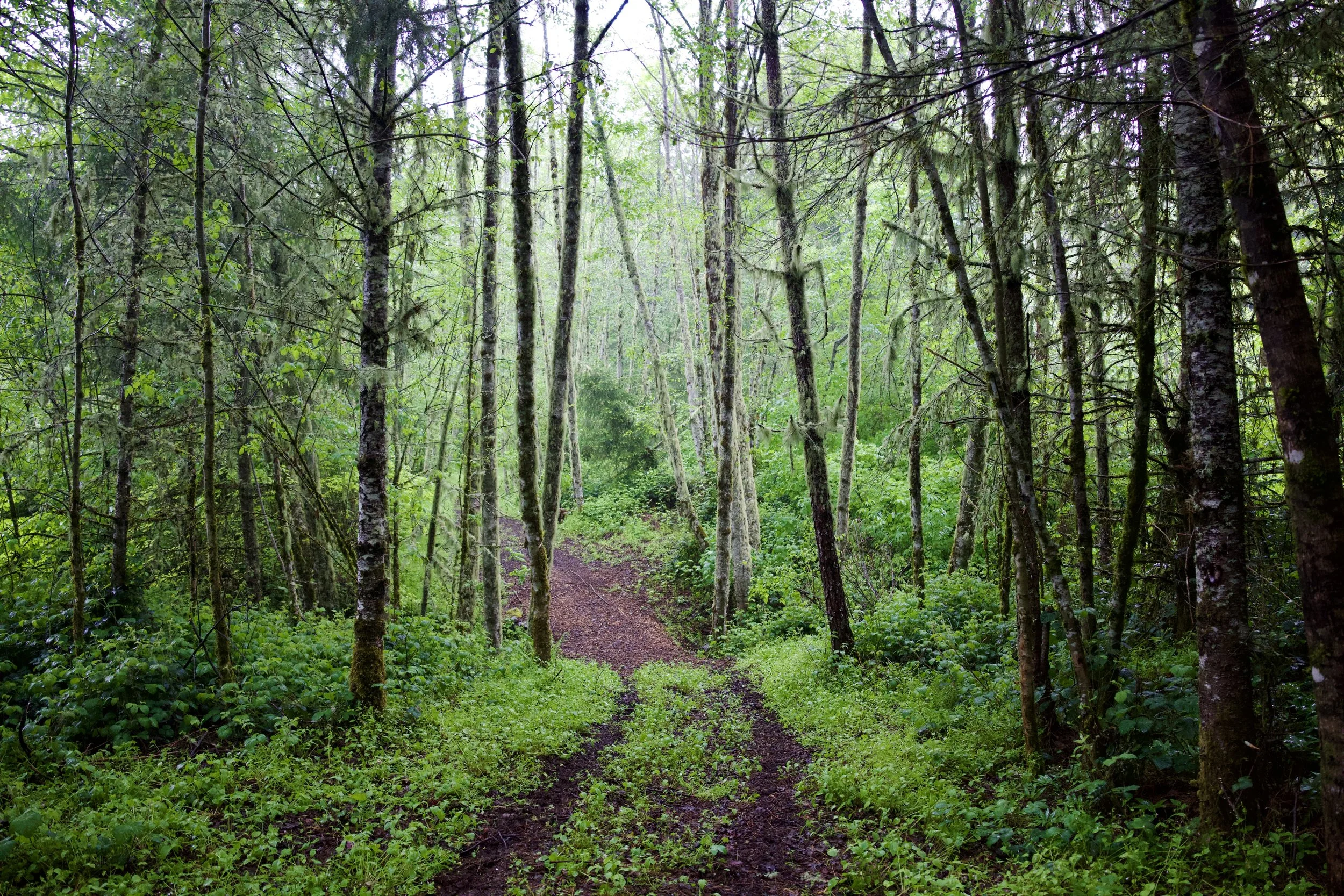
A Protected Forest on the Slopes of Mount Tom
Land that’s protected for good
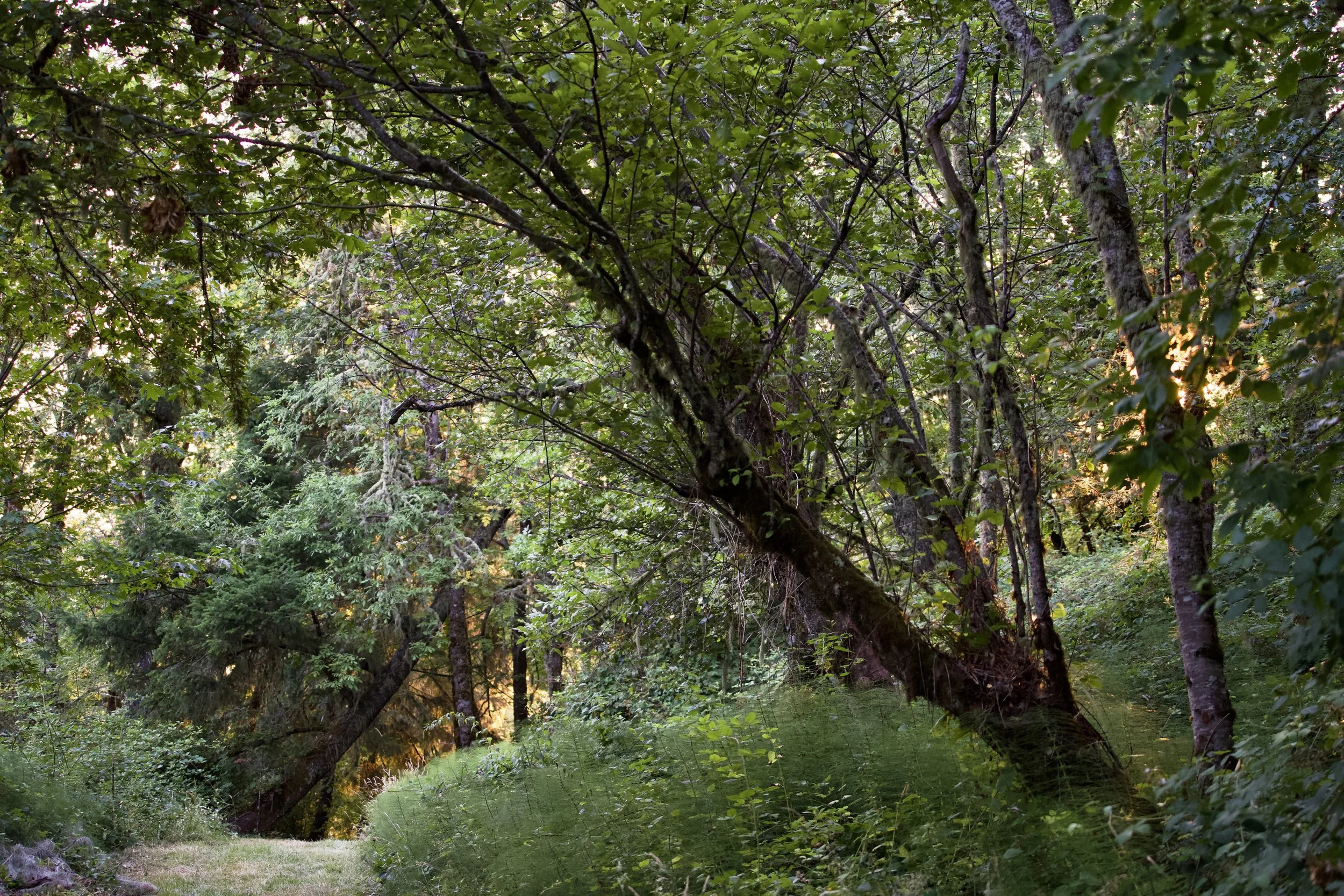
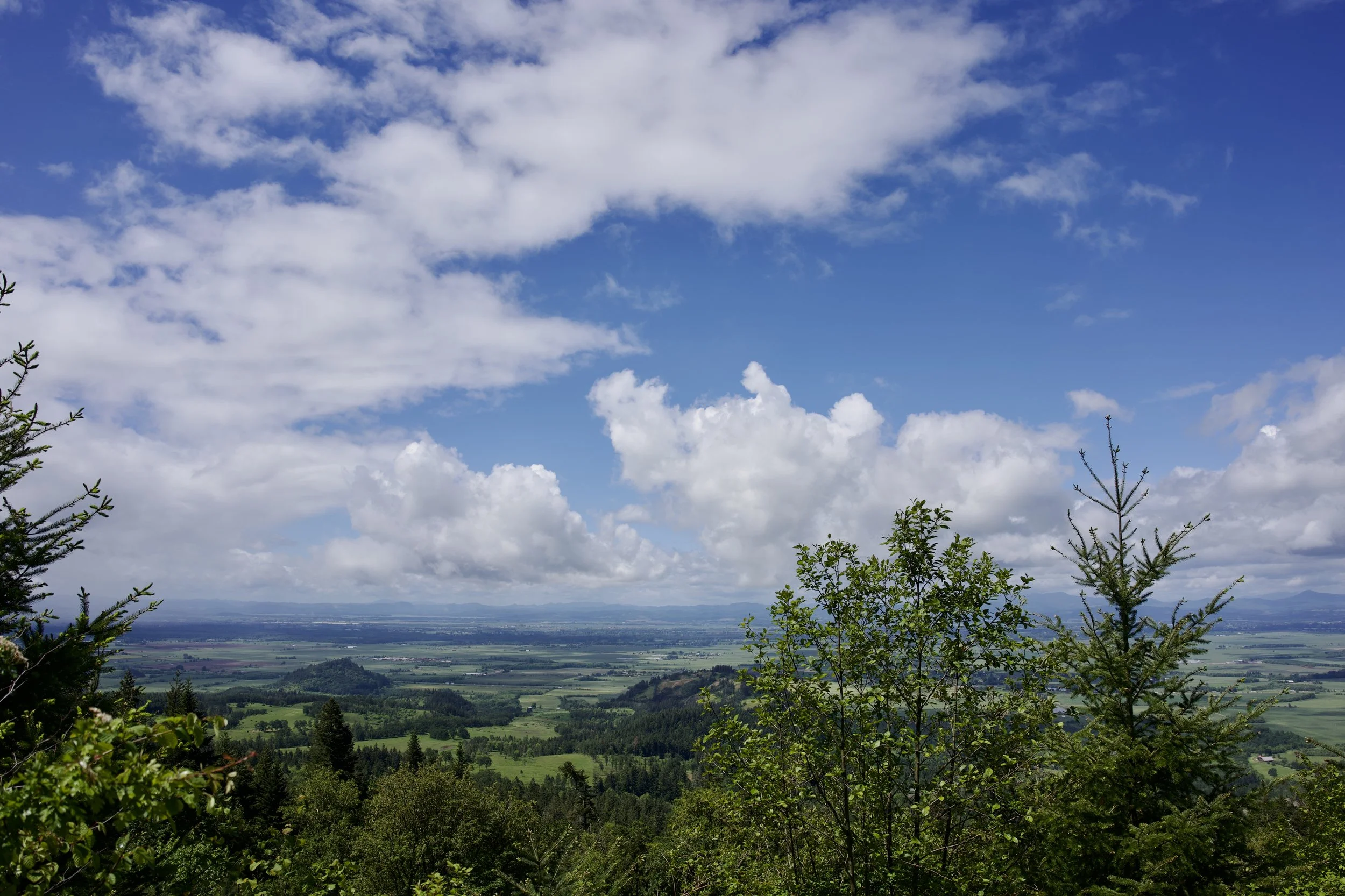
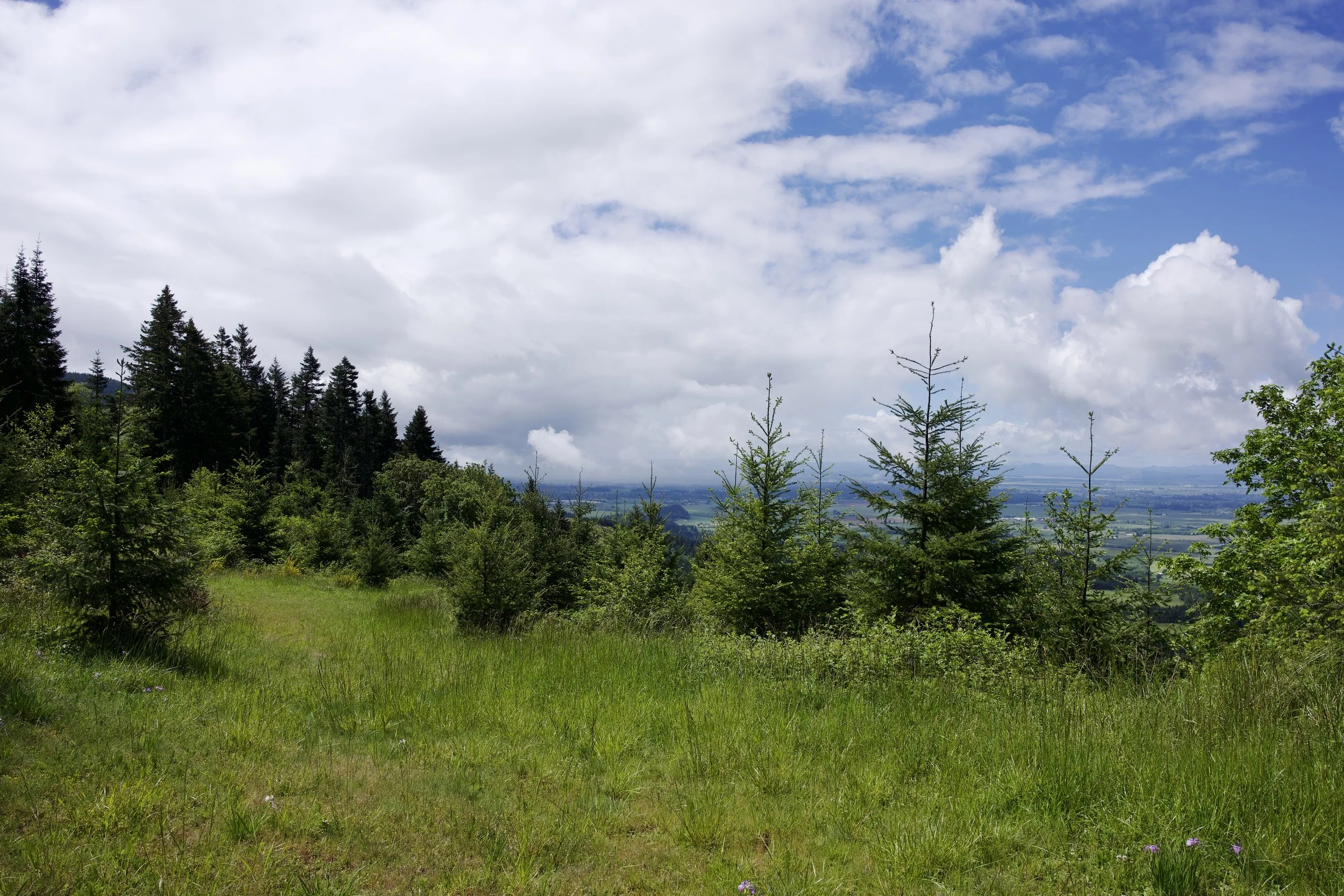
The hiking trails at Mount Tom House wind through about 120 acres of forest in the Coburg Hills, and that land is protected forever. In December 2001, the property's earlier owner, Pauline Palumbo, placed it under a conservation easement held by the McKenzie River Trust, a nonprofit land trust based in Eugene.
A conservation easement is a permanent legal promise that goes with the land. Whoever owns this property, now or later, has to keep it in its "natural, scenic, and forested condition." The land can't be subdivided or developed, it can't be logged, and new roads and buildings aren't allowed. The McKenzie River Trust visits regularly to make sure the promise is kept.
The easement says its goal is to protect this land "for the benefit of this generation and generations to come." That means all Mount Tom House guests, too.
The Mount Tom House trails are private and accessible to Mount Tom House guests only.
They are not open to the public.
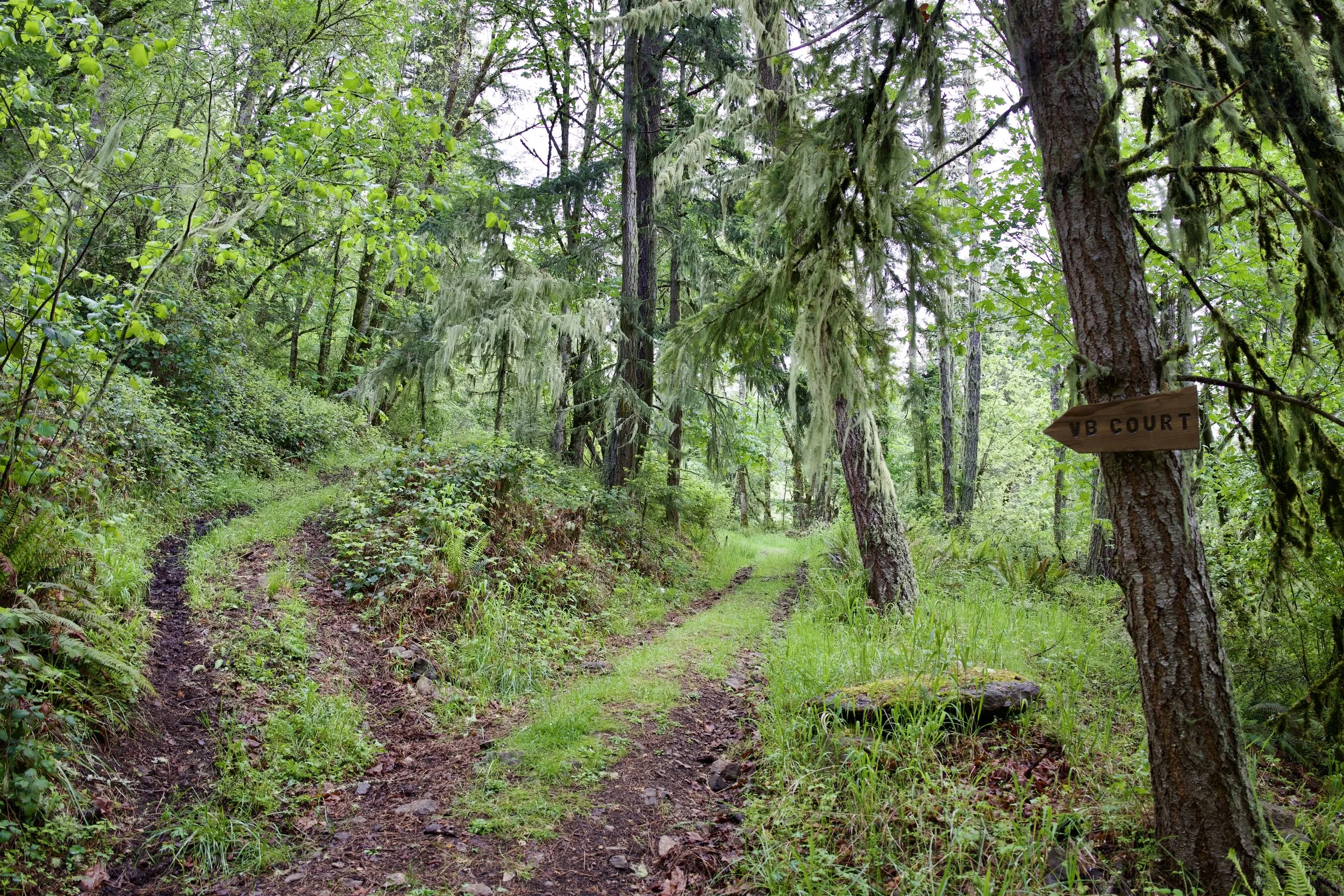
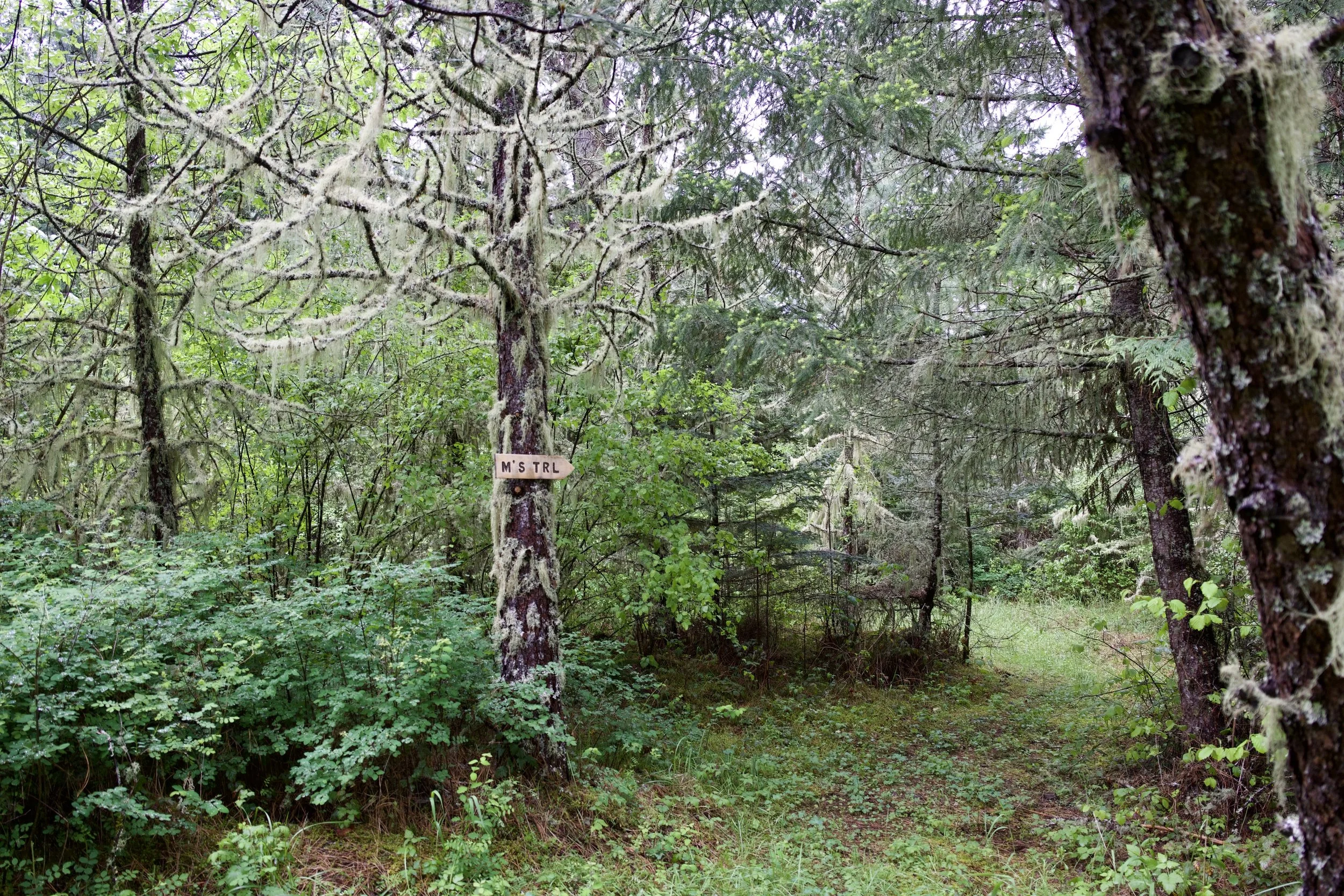

Walking old logging roads
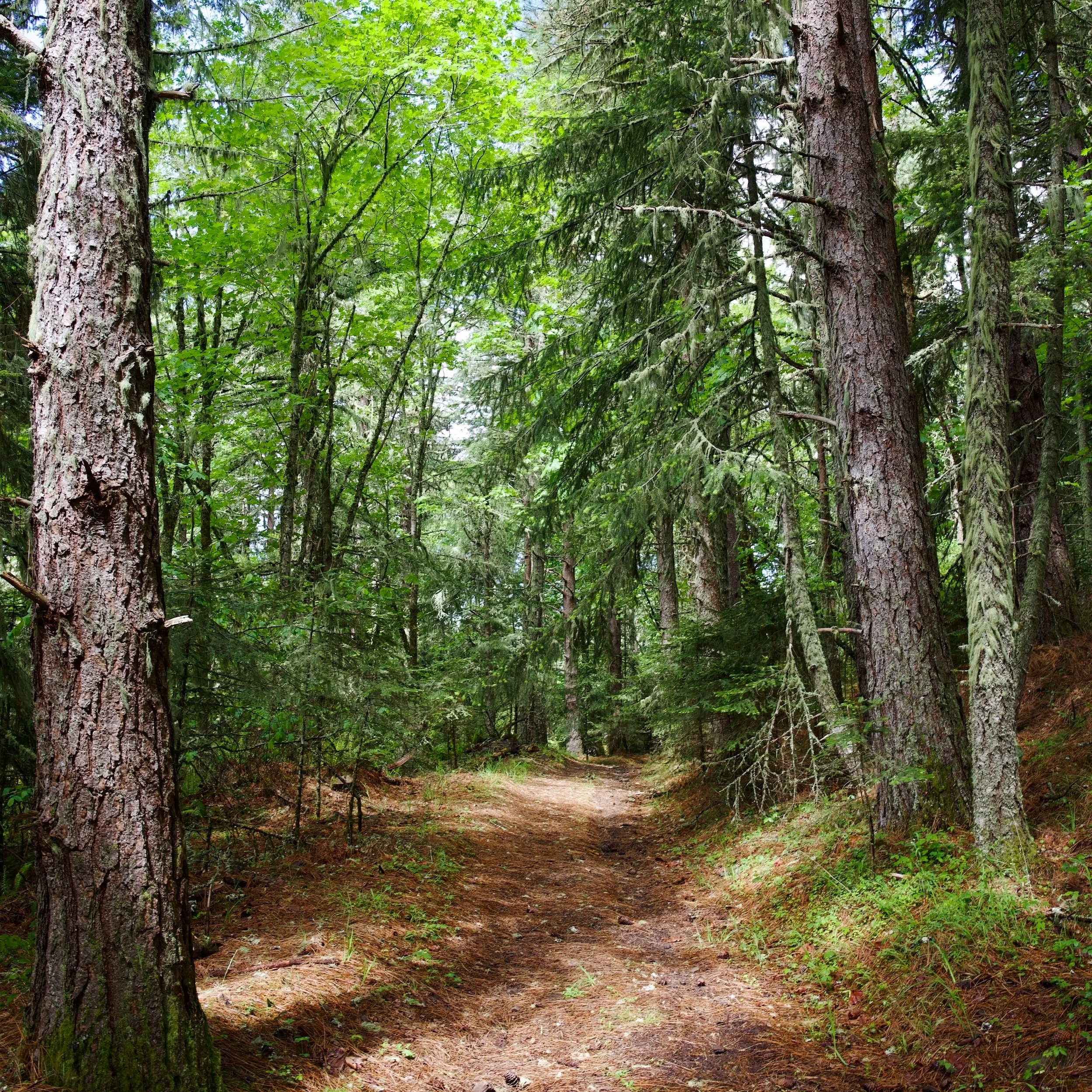
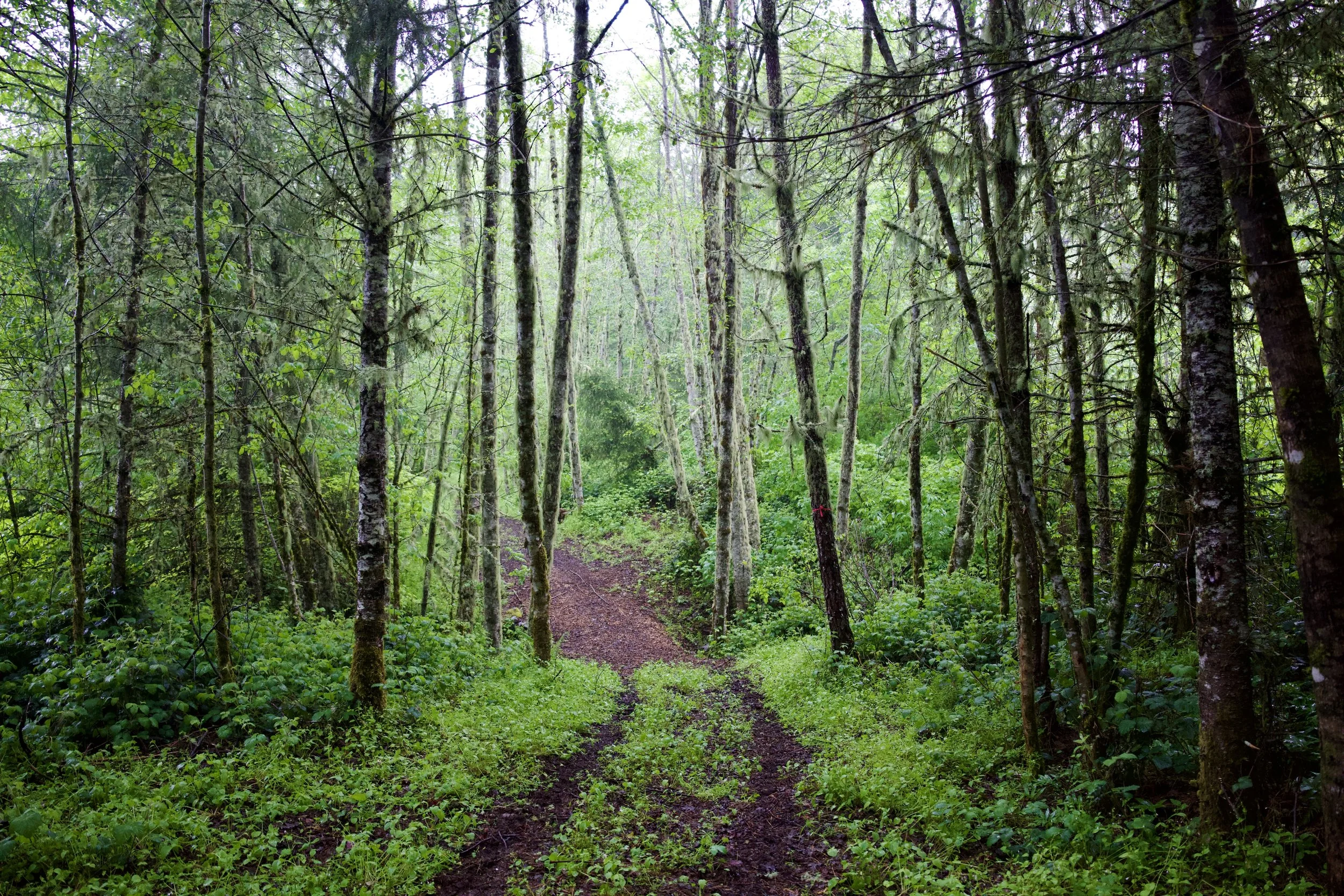
The trails you'll walk follow old skid trails and logging roads from the land's timber days.
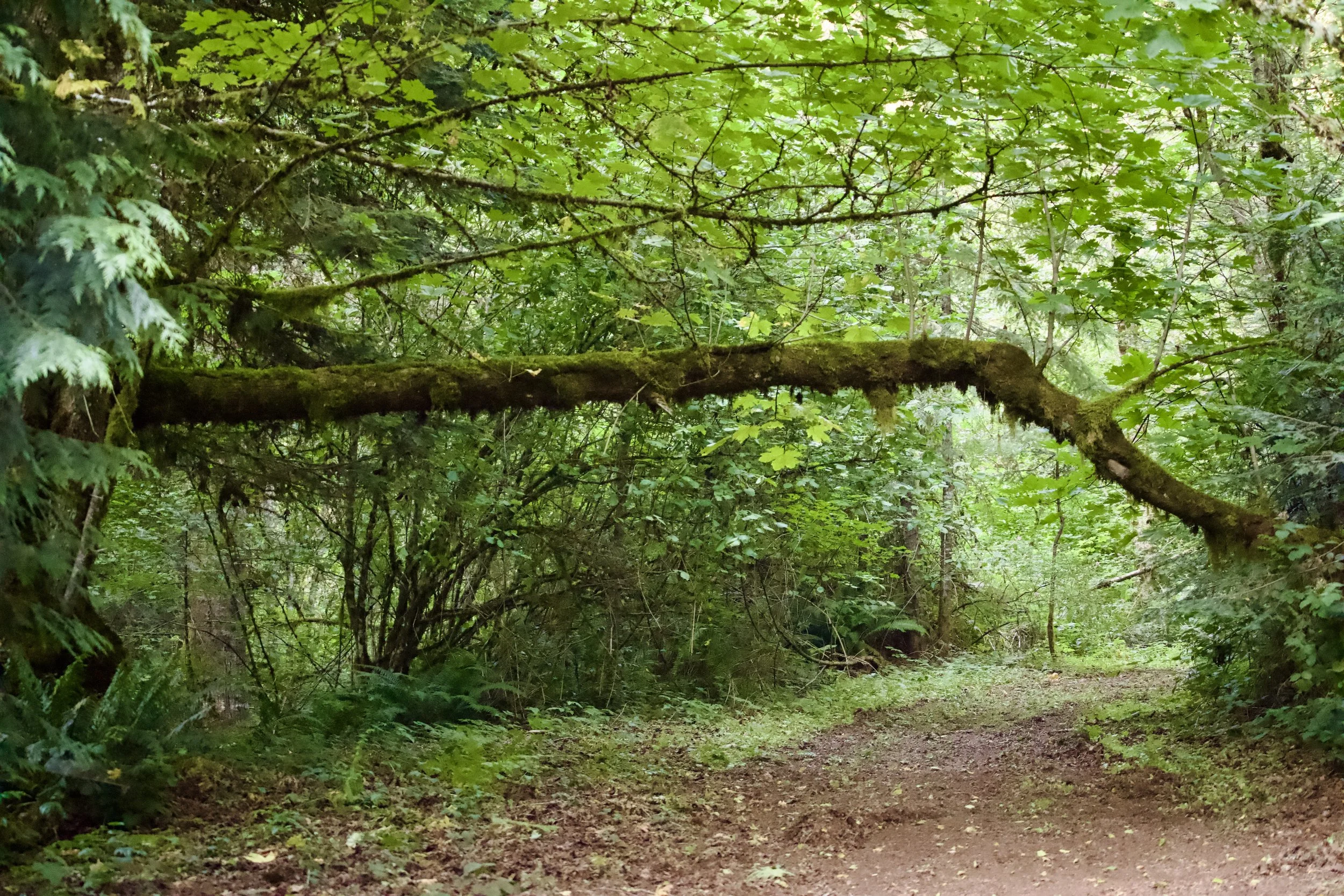
Under the easement, they can never be paved, graveled, or widened for cars, so they'll stay as they are now: quiet paths that are easy on the feet. Now and then the forest drops a branch or two across them.
Rare Oak Woodland
Look for the broad, twisting limbs of Oregon white oak. Oak woodlands like these once covered much of the Willamette Valley. When the easement was written, only about 2% of their original range remained.
We are proud this this property helps keep a piece of that disappearing habitat alive.
Next to an old-growth forest
The protected land borders Bureau of Land Management forest that includes patches of relic old growth: stands of trees more than two centuries old that have never been cleared. Our forest acts as a buffer around those old stands and gives wildlife room to move between them.
When the first General Land Office surveyors walked this section of land and took notes, they described the timber as "first rate fir, pine, oak and cedar.”
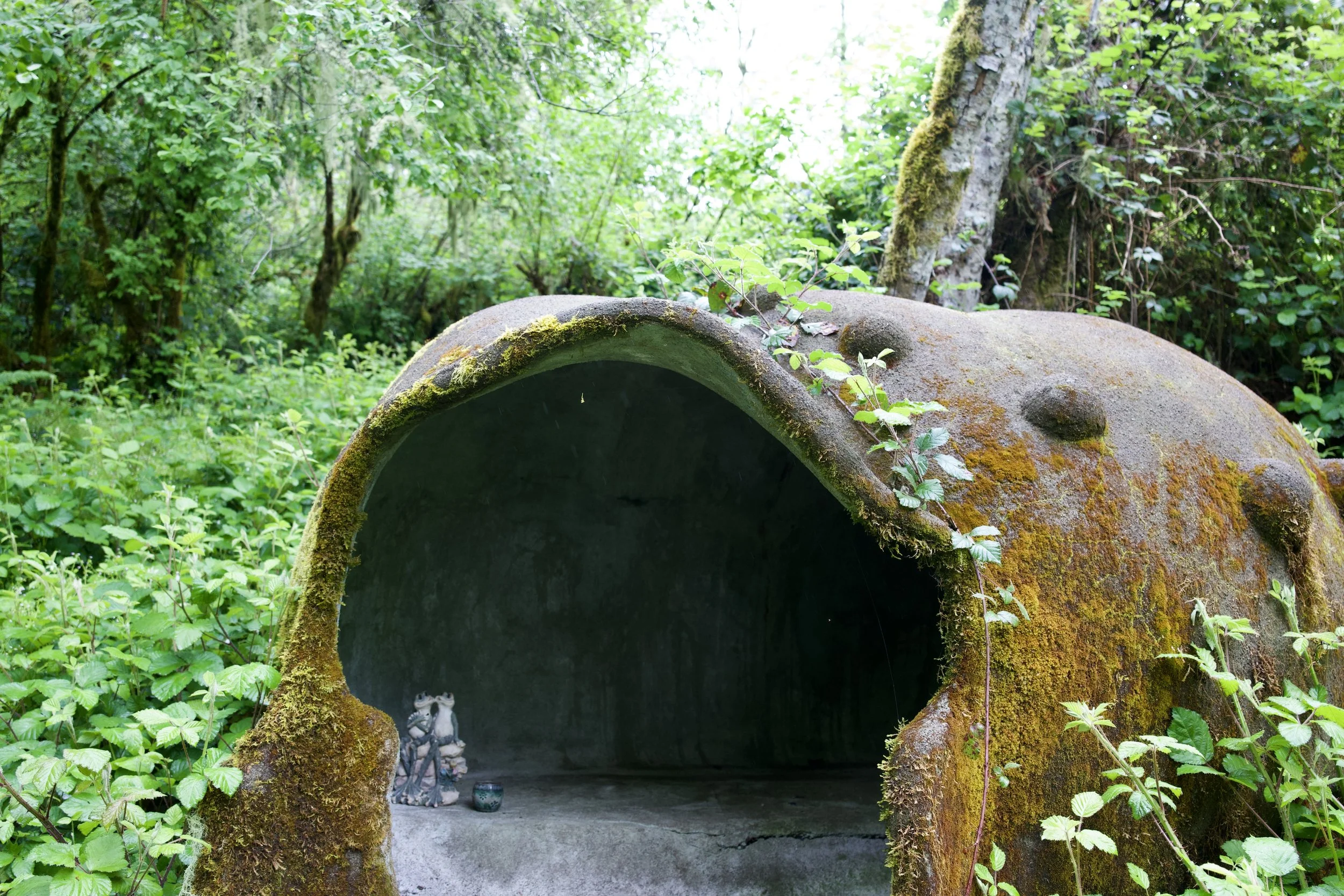
The Meditation Cave
Tucked deep in the woods, this five-decade-old meditation cave has a running creek just feet away and is a perfect spot for a rest. The cave was built in the early 70s by local sculptor Ray Edwards, who reportedly designed parts of Disneyland!
Water on the Mountain
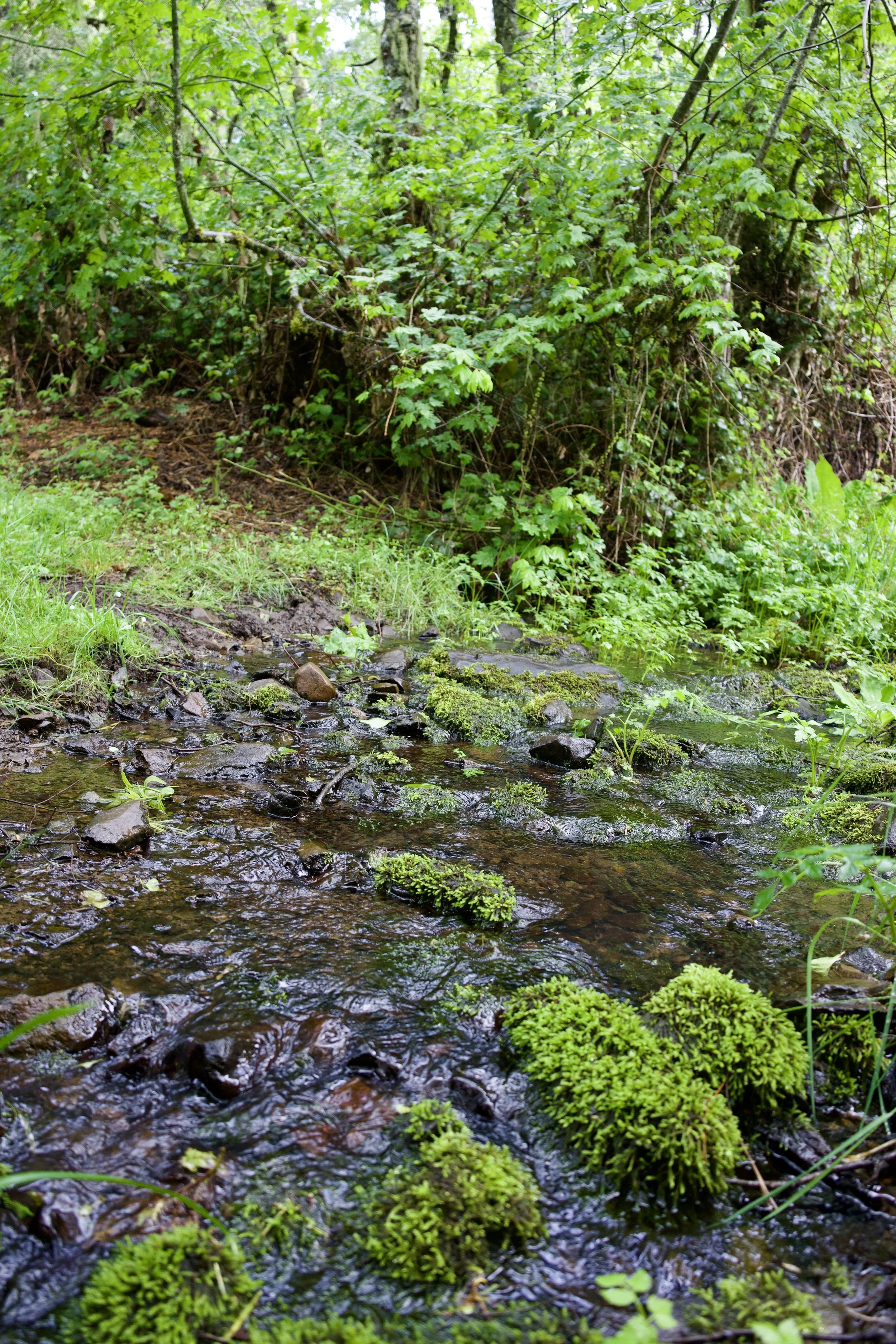
In Winter and Spring while hiking up towards the lookout, you’ll not only hear the sounds of birds chirping, but also the sound of water. Creeks from rainwater run-off and natural springs flow towards Big Muddy Creek, providing water for animals and plants along the trails and the meditation cave.
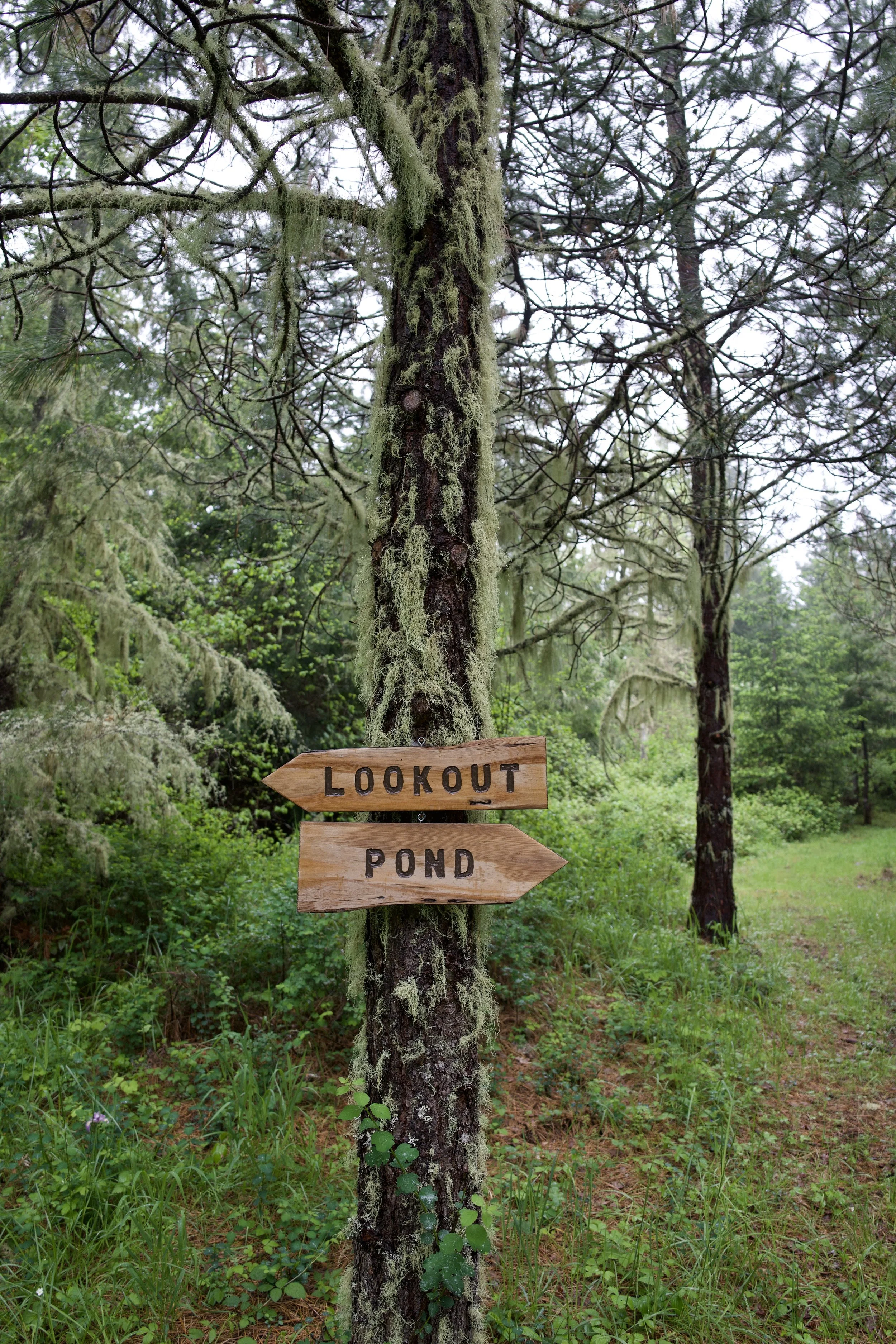
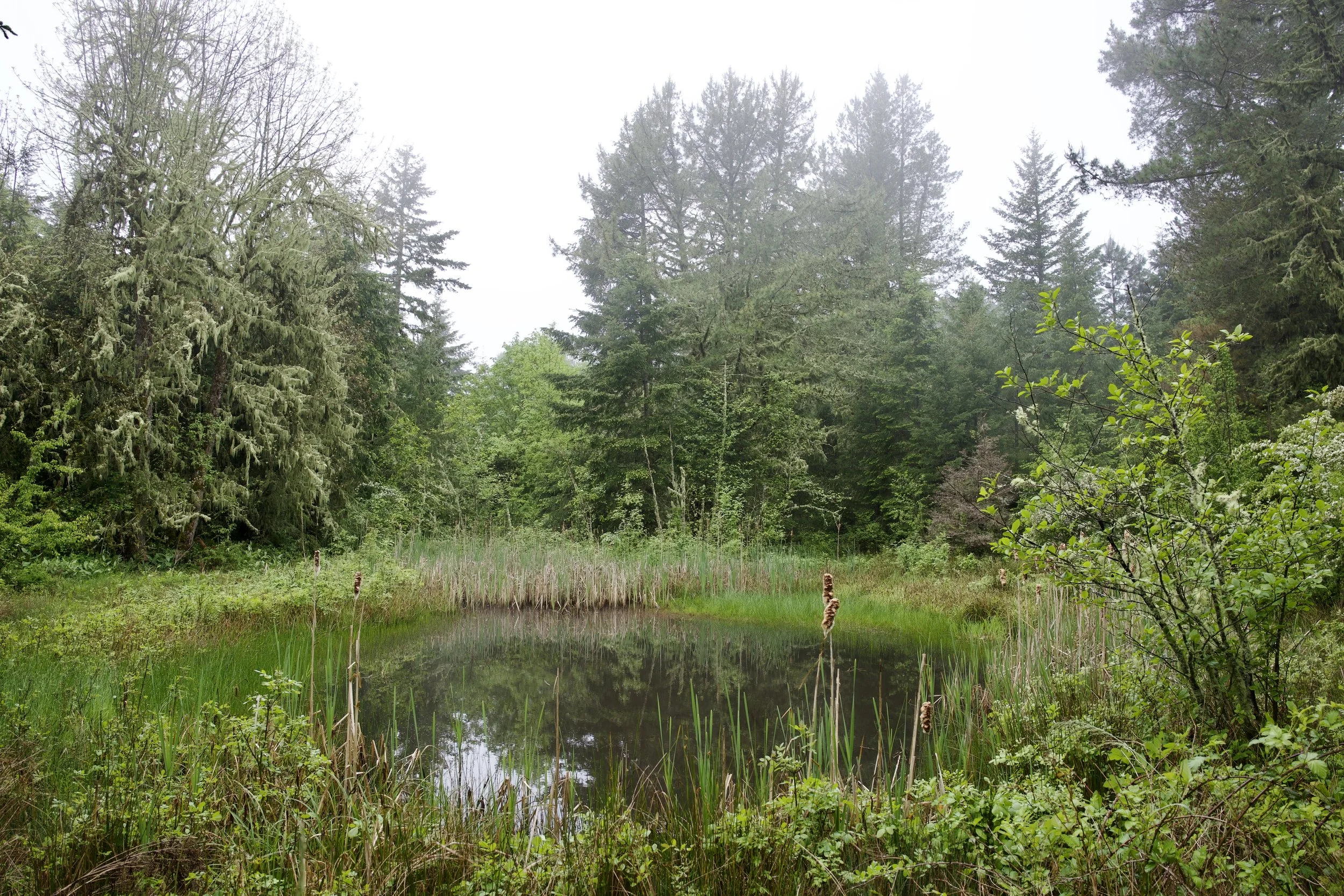
Follow the signs toward the pond and you’ll find our ephemeral pond that is the locals’ watering hole. Along the way, look out for bear & elk tracks and scat. If you hit the timing right in the spring, you’ll hear the soundtrack of frogs croaking. And ask Juli about game camera footage captured here!
Off the Firs Trail, you might hear a small waterfall in the early winter and spring. If you look closely, you will find a small trail on your left that leads you to the waterfall.
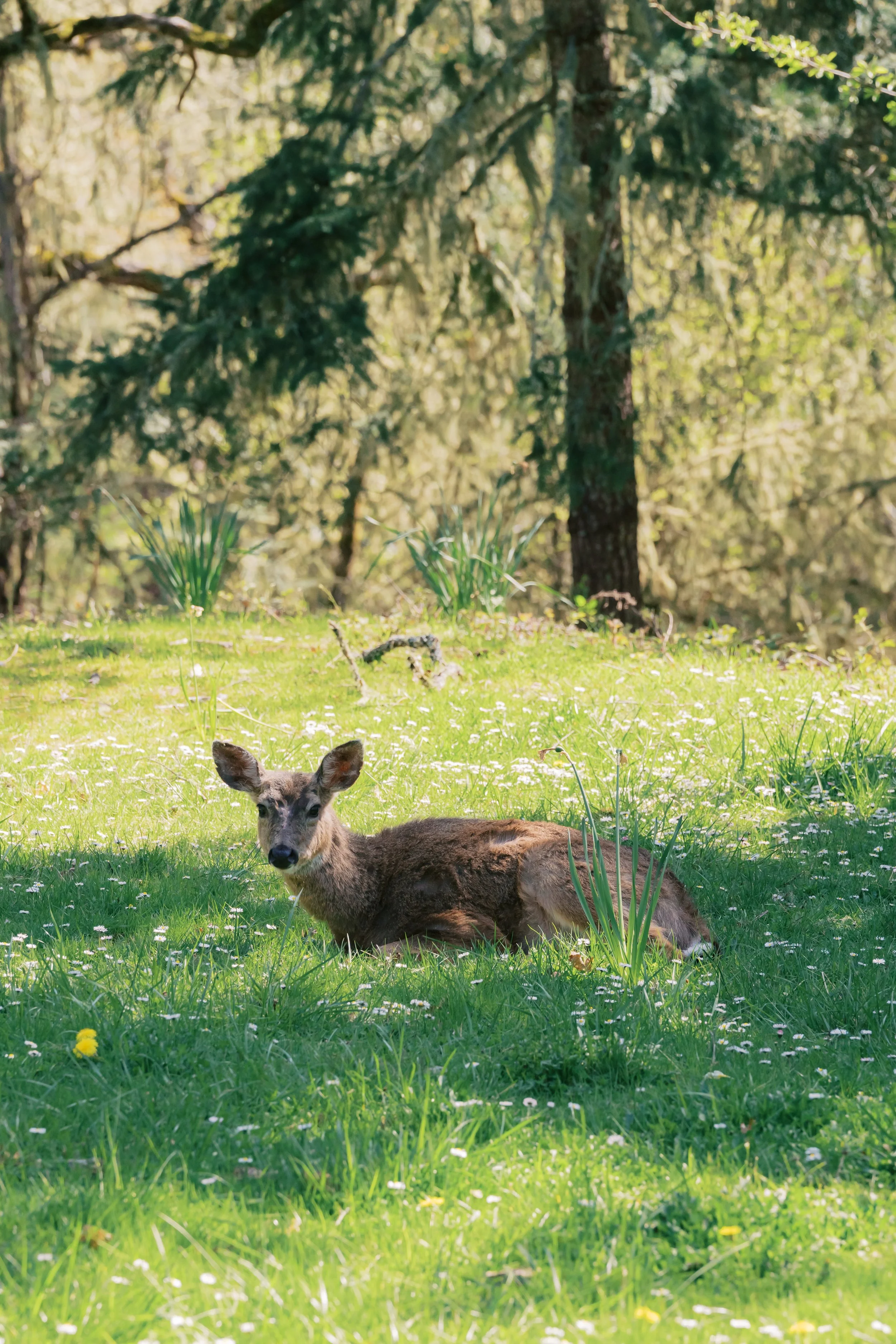
Wildlife on Mount Tom
This property provides habitat and migration routes for key species such as roosevelt elk, black bear, mountain lion, bobcat, black-tailed deer, northern spotted owl, bald eagle, northern goshawk, song birds, wild turkey, migratory birds, raccoon, and skunk.
The Coburg Hills is also home to at least three species on the “Sensitive Species List” under Oregon Revised Statutes: northern red-legged frog, western rattlesnake, and sharp-tailed snake.